🔥 Olhos cansados, secos e inflamados? Descubra o segredo natural que pode ajudar a acalmar e proteger sua visão diariamente.
Do your eyes feel tired, dry, or slightly irritated by the end of the day? That subtle redness in the mirror, the gritty sensation after hours on your phone, the discomfort from air conditioning or lack of sleep — it slowly drains your energy and confidence.
What if one simple plant, combined with a few daily habits, could help support your eyes naturally?
Before you reach for another quick fix, read to the end — because the real secret is not just aloe vera itself, but how you use it.
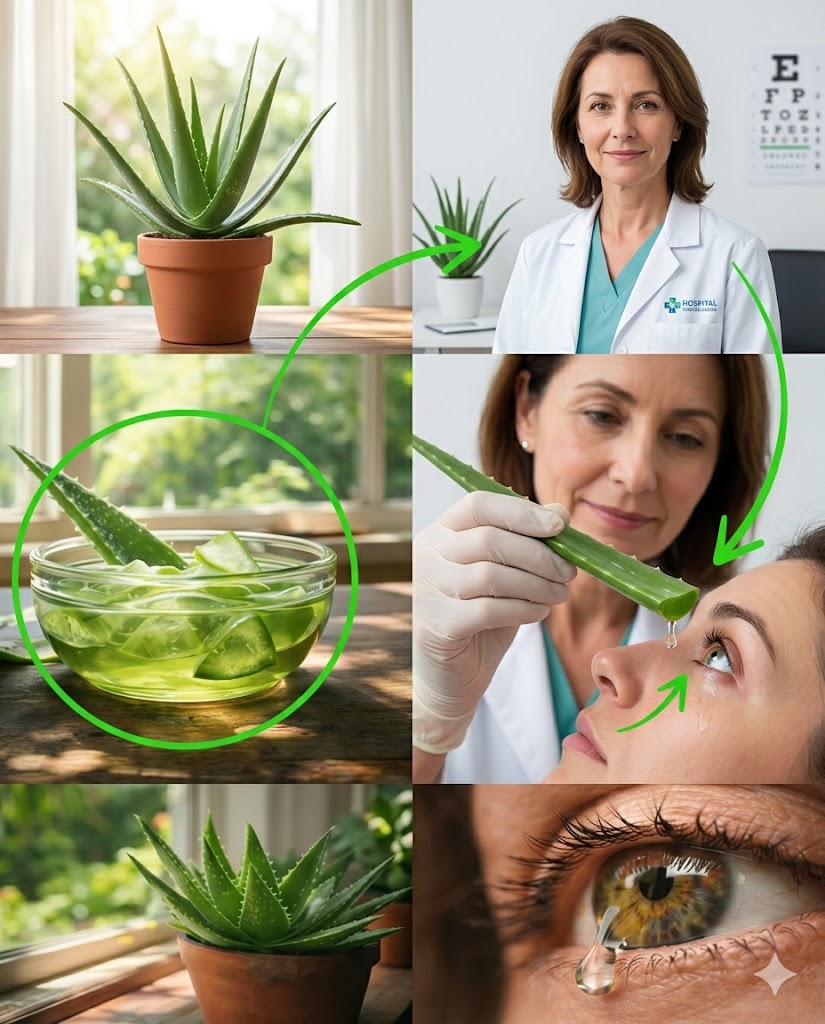
Why Eye Discomfort Is So Common Today
Modern life is demanding on our eyes. We stare at screens for hours and blink less than we should. Indoor air is dry. Pollution, dust, and even contact lenses can increase temporary dryness and sensitivity.
Digital eye strain has become extremely common. Reduced blinking during screen use decreases natural tear distribution, leading to discomfort.
Many people rely only on artificial drops — but overlook simple natural strategies that support long-term comfort.
This is where aloe vera enters the conversation.
Why Aloe Vera Is So Popular
Aloe vera gel, extracted from the inner leaf, contains:
-
High water content for hydration
-
Polysaccharides that help retain moisture
-
Antioxidants that support protection against environmental stress
-
Naturally soothing compounds
For centuries, aloe has been used to calm and hydrate delicate skin. When used correctly, it may support comfort around the eye area.
Important: raw aloe should never be placed directly inside the eyes. Safety always comes first.
Benefits of Aloe Vera Around the Eyes
1. External Hydration
The skin around the eyes is thin and sensitive. A small amount of pure aloe gel may help maintain moisture and reduce the appearance of dryness.
2. Cooling Relief
Chilled aloe provides a refreshing sensation after long screen exposure.
Tip: Store pure aloe gel in the refrigerator for a gentle cooling effect.
3. Antioxidant Support
Environmental exposure can stress the delicate eye area. Aloe’s antioxidants may help support skin resilience when applied topically.
But here is what most people miss…
Aloe works best as part of a complete eye-care routine.
How to Use Aloe Vera Safely
Step 1: Choose the Right Product
Look for:
-
Pure aloe vera gel with minimal ingredients
-
No alcohol, fragrance, or artificial coloring
-
Products labeled safe for sensitive skin
If using eye drops, they must be sterile and specifically formulated for ocular use.
Step 2: Patch Test
Apply a small amount to the inside of your wrist. Wait 24 hours to check for irritation.
Step 3: Gentle Application
Using clean fingers or a cotton pad, apply a thin layer around — not inside — the eyes. Use once or twice daily.
Step 4: Combine With Supportive Habits
This is the true game changer.
Daily Habits That Enhance Natural Eye Comfort
✔ Follow the 20-20-20 rule: Every 20 minutes, look 20 feet away for 20 seconds.
✔ Blink intentionally during screen use.
✔ Use a humidifier in dry environments.
✔ Stay well hydrated throughout the day.
✔ Wear UV-protective sunglasses outdoors.
When aloe is combined with these habits, results are often more noticeable than using any single product alone.
When to Seek Professional Care
Natural support is best for mild, temporary discomfort. Consult an eye professional if you experience:
-
Persistent pain
-
Sudden vision changes
-
Strong light sensitivity
-
Redness lasting several days
Your eyes are delicate — never ignore serious symptoms.
The Real Secret
People search for miracle solutions.
But the greatest benefit comes from consistency.
A small, gentle daily routine — hydration, screen breaks, protection, and careful plant-based support — often makes a bigger difference than any quick fix.
Aloe vera is not magic. It is supportive.
And when used wisely, it can be part of a calm, natural approach to eye comfort in our screen-focused world.
Disclaimer: This article is for informational purposes only and does not replace professional medical advice. Always consult a qualified healthcare provider regarding concerns about your eye health.
